


Satanica
Veteran Member
William Husel faced 14 counts of murder as prosecutors said he purposely administered excessive doses of fentanyl that caused or sped up the deaths of patients in the intensive care unit from 2015 to 2018. All of the counts also included the lesser charge of attempted murder.
"If you hasten a person's death, even if their death is as sure as the sun is going to rise in the morning, if you hasten that along, you have caused their death under the eyes of the law," Franklin County prosecutor David Zeyen said in closing arguments.
Defense attorney Jose Baez argued prosecutors had not proven beyond a reasonable doubt that the doses actually hastened the patients' deaths or that Husel purposely intended to kill the patients.
[....]
over 50 witnesses testifying for the prosecution, including doctors, nurses and administrative employees of Mount Carmel Hospital West, where Husel worked as the night ICU physician.
Family members detailed the stories of their loved ones declining quickly once at the hospital, as well as their experiences with Husel and the ICU. Experts also told the court the large fentanyl doses Husel gave to patients caused their deaths and were intended to accelerate the dying process.
Despite the accusations, Husel's former colleagues testified that he was a wonderful doctor who was hardworking, fought to save people's lives, was helpful to everyone in the ICU unit and was always there to teach and explain.
Husel's defense called just one witness, Dr. Joel Zivot, who studied the medical records of the 14 patients and determined they had severe and unrecoverable illnesses.
Zivot also testified that recovery to a normal state of health was not possible for the patients, and he determined underlying medical issues caused their deaths.
Husel did not take the stand. His medical license is currently suspended, defense counsel confirmed to CNN.
The trial comes almost three years after Husel, 46, was indicted on 25 counts of murder, though 11 of those counts were dismissed pretrial.
[....]
Frankly, if I'm dying anyway and my affairs are in order, please do hasten my demise. I don't think unnecessary suffering will get you a nicer mansion in Heaven.
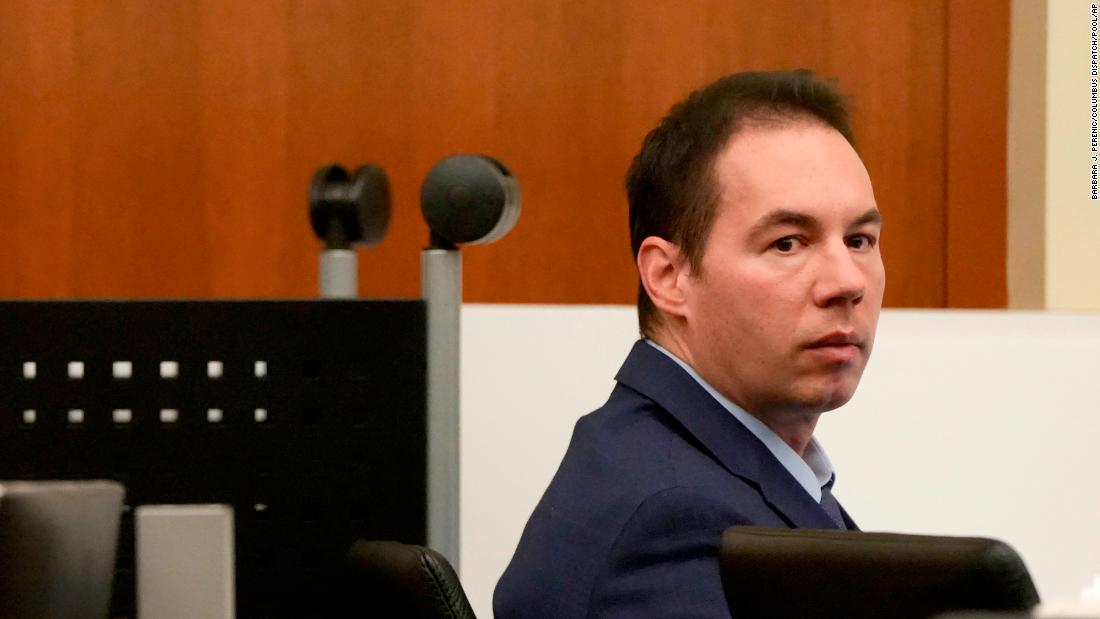
Ohio doctor accused of overprescribing fentanyl to the dying found not guilty of murder
The Ohio doctor accused of overprescribing fentanyl to his critically ill patients and hastening their deaths was found not guilty of 14 counts of murder on Wednesday.
 www.cnn.com


