


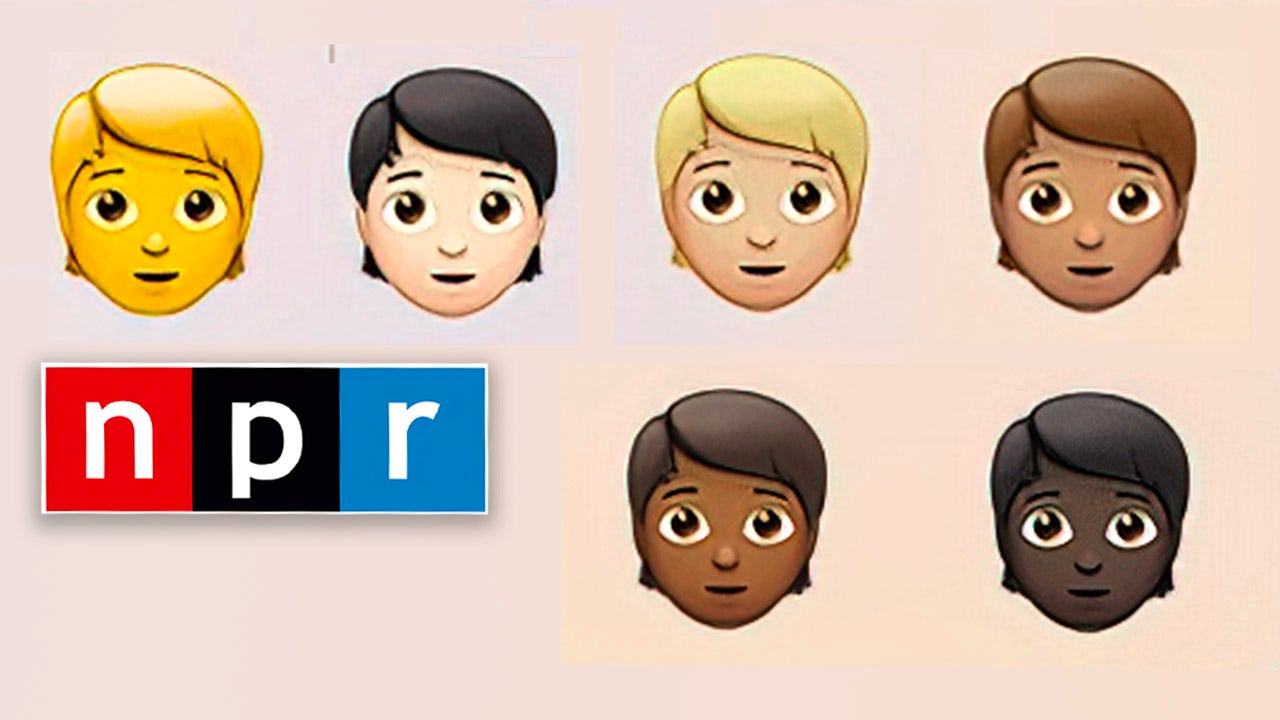
A 2018 study published by the University of Edinburgh looked at the use of different skin tone emojis — what it referred to as "modified" emojis — on Twitter to find out if the modifiers contributed to self-representation.
Alexander Robertson, an emoji researcher at Google and Ph.D. candidate involved in the study, said the emoji modifiers were used widely but it was people with darker skin who used them in higher proportions, and more often.
After another look at Twitter data, Andrew McGill, then writer for The Atlantic, found that some white people may stick with the yellow emoji because they don't want to assert their privilege by adding a light-skinned emoji to a text, or to take advantage of something that was created to represent diversity.
Perhaps, like Heath Racela, they simply don't want to think about how their message could be interpreted.
But Zara Rahman, a researcher and writer in Berlin, argues that the skin tone emojis make white people confront their race as people of color often have to do. For example, she shared Sarai Cole's confusion when someone who is white uses a brown emoji, so she asked some friends about it.
"One friend who is white told me that it was because he felt that white people were overrepresented in the space that he was using the emoji, so he wanted to kind of try and even the playing field," Rahman said. "For me, it does signal a kind of a lack of awareness of your white privilege in many ways."
Rahman, who in 2018 wrote the article for the Daily Dot, "The problem with emoji skin tones that no one talks about," also challenges the view that the yellow emoji — similar to the characters from The Simpsons — is neutral, because on that show, "there were yellow people, and there were brown people and there were Black people."
She said there was a default in society to associate whiteness with being raceless, and the emojis gave white people an option to make their race explicit.
"I completely hear some people are just exhausted [from] having to do that. Many people of color have to do that every day and are confronted with race every day," Rahman said. "But for many white people, they've been able to ignore it, whether that's subconsciously or consciously, their whole lives."
Rahman admits there's no specific answer to all the questions about emoji use but said it was an opportunity to think about how people want to represent their identities.
"I think it's more one of those places where we just have to think about who we are and how we want to represent our identities," she said. "And maybe it does change depending on the season; depending on the context."
NPR was ridiculed on Wednesday for its take on emojis and how some can supposedly denote White privilege.
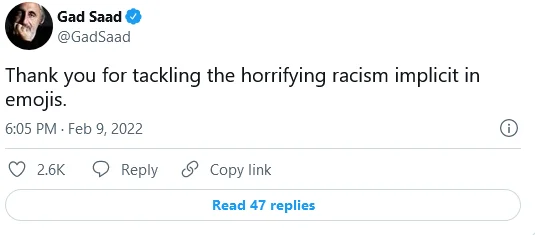
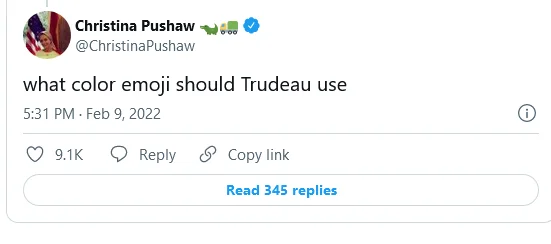
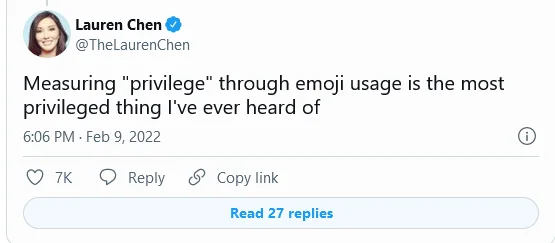
NPR mocked for article on 'white privilege' emojis
NPR was blasted on Twitter for promoting an article arguing that some emojis can signal White privilege.
 www.foxnews.com


 . Apparently that smiley no longer means you are smiling. It means you are mocking someone. Some people just have too much free time on their hands!


